
Key insights
Teeth grinding, medically known as bruxism, is surprisingly common. It happens when the jaw muscles tighten and contract involuntarily, sometimes even while you’re fast asleep. When this occurs during sleep (called Sleep Bruxism or SB), it’s often linked to small sleep disturbances known as micro-arousals or underlying issues like sleep apnea.
Managing bruxism usually involves a combination of:
If grinding has already caused tooth wear or misalignment, your dentist may recommend restorative options such as clear aligners to help bring your bite back into proper alignment and keep your smile healthy for the long run. Always consult a dental professional or sleep specialist for a definitive diagnosis and tailored treatment plan.
You may have noticed yourself clenching your jaw during a stressful day, or maybe someone has told you they can hear you grinding your teeth at night. That’s bruxism, a condition where the jaw muscles contract rhythmically, leading to grinding or clenching movements.
In simple terms, bruxism is a broad term used to describe different types of jaw-muscle activity. While it’s often associated with dental wear or jaw soreness, in otherwise healthy individuals, it’s sometimes considered more of a muscle behavior than a true disorder.
The main goals of managing bruxism are:
1. To prevent further damage to your teeth and any existing dental work
2. To relieve related symptoms like jaw tension, tooth sensitivity, or headaches
Bruxism is categorized based on when the activity occurs: during sleep or during the day.
Sleep bruxism, or SB, happens when the jaw muscles activate during sleep. These contractions can be rhythmic (phasic) or steady (tonic). Although once labeled a “sleep movement disorder,” experts now recognize that sleep bruxism isn’t necessarily a disorder in otherwise healthy people. It’s more of a centrally mediated response related to short bursts of wakefulness (micro-arousals) and autonomic nervous system activation.
Sleep bruxism is:
Awake bruxism (AB) occurs while you’re conscious. It usually involves sustained clenching, repetitive tooth contact, or jaw bracing, often triggered by stress, focus, or anxiety.
Research estimates that 22%–31% of adults experience awake bruxism at some point. Like its nighttime counterpart, it’s not classified as a movement disorder in healthy individuals. Instead, it’s considered a behavioral response, a subconscious habit that often appears during periods of high alertness or tension.
Many individuals who experience grinding teeth while sleeping are unaware of the condition until a partner alerts them to the loud noise or a dentist identifies damage during a routine examination. Symptoms can manifest in various ways, affecting the teeth, jaw, and general comfort.
Common symptoms of bruxism include:
Left unaddressed, severe or prolonged bruxism can lead to serious complications for oral health and overall well-being, which is why regular dental evaluations are important for proper diagnosis and guidance. When grinding forces exceed what the jaw system can adapt to, it may result in what dentists refer to as ‘stomatognathic breakdown’, a complex form of wear affecting multiple structures.
Key complications include:
Bruxism doesn’t usually have a single cause. It’s multifactorial, meaning several physical and emotional factors may work together. In many cases, it’s less about the teeth themselves and more about how the brain and nervous system regulate muscle activity. In short, bruxism is often a sign that something else in the body needs attention. Let’s look at the most common contributors:
1. The Central Role of Stress and Anxiety
One of the strongest links researchers have found is between bruxism and psychological stress. Around 70% of teeth-grinding cases are connected to stress, tension, or anxiety.
People who are naturally more competitive, driven, or easily frustrated may clench their jaws more often without realizing it. During the day, this may show up as jaw tension or tooth-clenching. At night, it can turn into full grinding episodes as your body “releases” that built-up stress.
Scientific studies have even shown that individuals with bruxism may have higher levels of stress hormones (catecholamines), both in adults and children. This is why stress management, whether through mindfulness, exercise, or relaxation therapy, is often an essential step in learning how to stop grinding teeth at night.

Several exogenous factors and substances can influence and activate bruxism. These elements, particularly when consumed close to bedtime, are believed to contribute by affecting the body’s state of alertness and the autonomic nervous system.
Sleep bruxism is a sleep-related movement disorder. Individuals who clench or grind their teeth while sleeping are more likely to have other sleep disorders.
When it comes to managing teeth grinding (bruxism), the best place to start is often the simplest and least invasive. For many people, understanding why it happens, and making a few lifestyle changes, can support better relaxation and reduce strain on your jaw. Dentists often call this the “multiple-P” approach, focusing on pep talk, psychology, and practical steps to help you retrain your jaw muscles and mind for better sleep and less stress.
Good sleep and mindful lifestyle choices play a huge role in calming your jaw and reducing grinding episodes at night. Even though research on “sleep hygiene” alone is limited, it’s a safe and beneficial way to support your overall well-being.
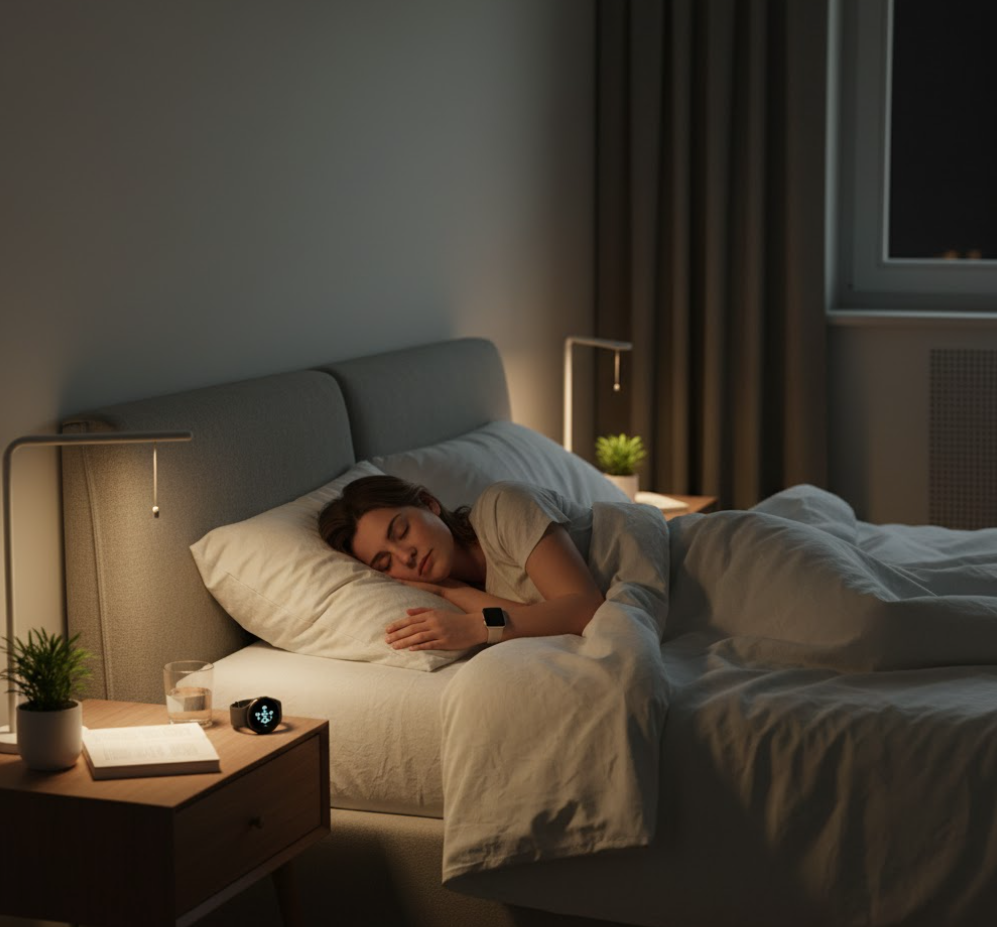
If you tend to clench your teeth during the day, behavioral strategies may be helpful for increasing awareness. These methods focus on awareness, helping you catch the habit before it causes strain, and gradually retrain your jaw to stay relaxed.
The use of targeted relaxation and physical therapy (Physiotherapy) can offer short-term relief from bruxism-associated pain.
If you’ve tried these natural strategies and are still grinding your teeth, or if your symptoms are severe, it’s time to explore professional dental or medical options. These treatments are designed to protect your teeth, relieve pain, and stop the damage from getting worse.
One of the most effective professional solutions is a custom-made night guard, also known as an occlusal splint. Your dentist can create one from durable acrylic resin to fit your bite perfectly.
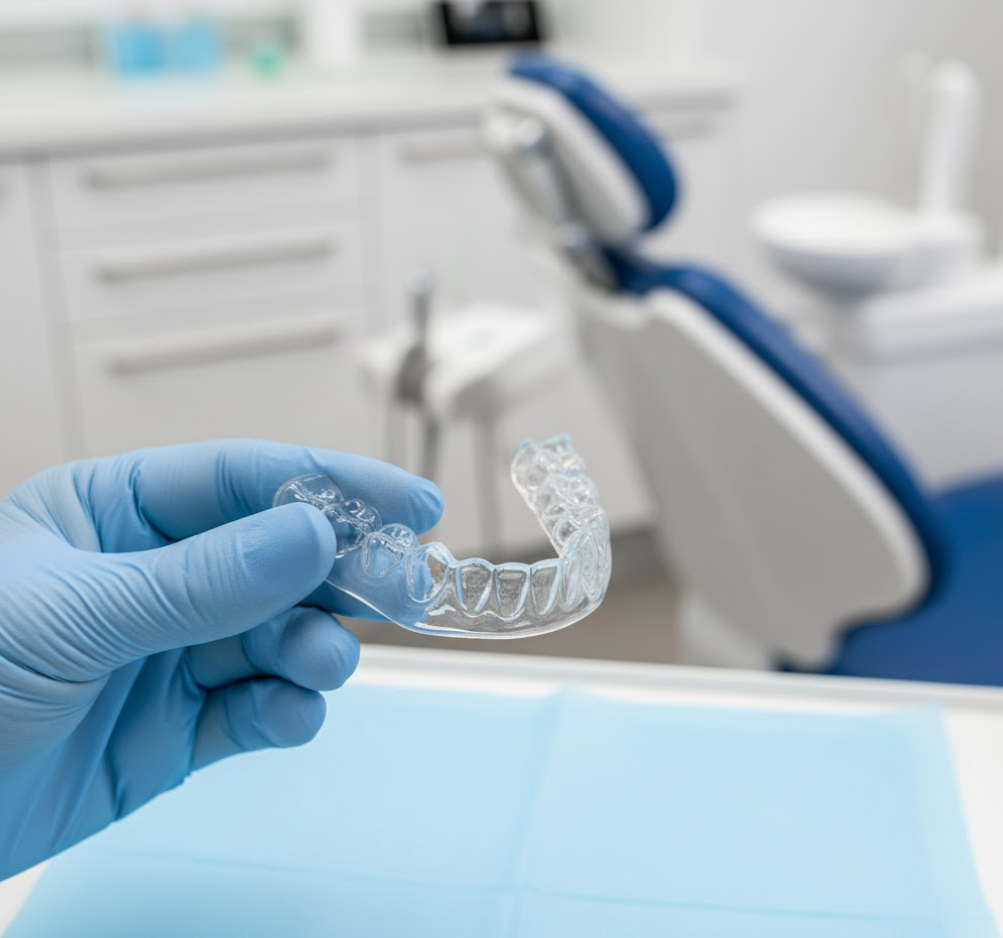
For severe or treatment-resistant bruxism, your doctor might explore short-term medication options. However, these are usually considered only after conservative methods have been tried.
Drugs such as muscle relaxants, anti-anxiety medications, or certain sleep aids can help in select cases, but they are prescribed carefully because of possible side effects. Ongoing research is also looking into low-level electrical stimulation (a type of biofeedback) as a potential new approach, but for now, natural and dental interventions remain the gold standard.
If teeth grinding, especially long-term or severe bruxism, has already caused noticeable wear or damage, your dentist may recommend restorative treatment to rebuild your bite and protect your teeth from further harm. When bruxism leads to flattened or cracked teeth, crowns or overlays can be used to reshape the chewing surfaces and restore normal function. This is particularly important when the grinding stems from issues like crooked, cracked, or missing teeth, which can make your bite uneven and worsen muscle strain over time.
It’s worth noting that today’s dental research no longer considers tooth shape or bite (also called occlusal morphology) as the main cause of bruxism. And while orthodontic treatment (like braces or aligners) isn’t a direct “cure” for teeth grinding, it can play a key role in fixing the alignment issues that grinding leaves behind.
Here’s when corrective treatment becomes part of the plan:
That’s where Zenyum Clear Aligners can make a real difference. These advanced invisible braces offer a modern way to fix alignment issues without the hassle of metal brackets, perfect for those looking to restore both form and confidence after years of grinding.
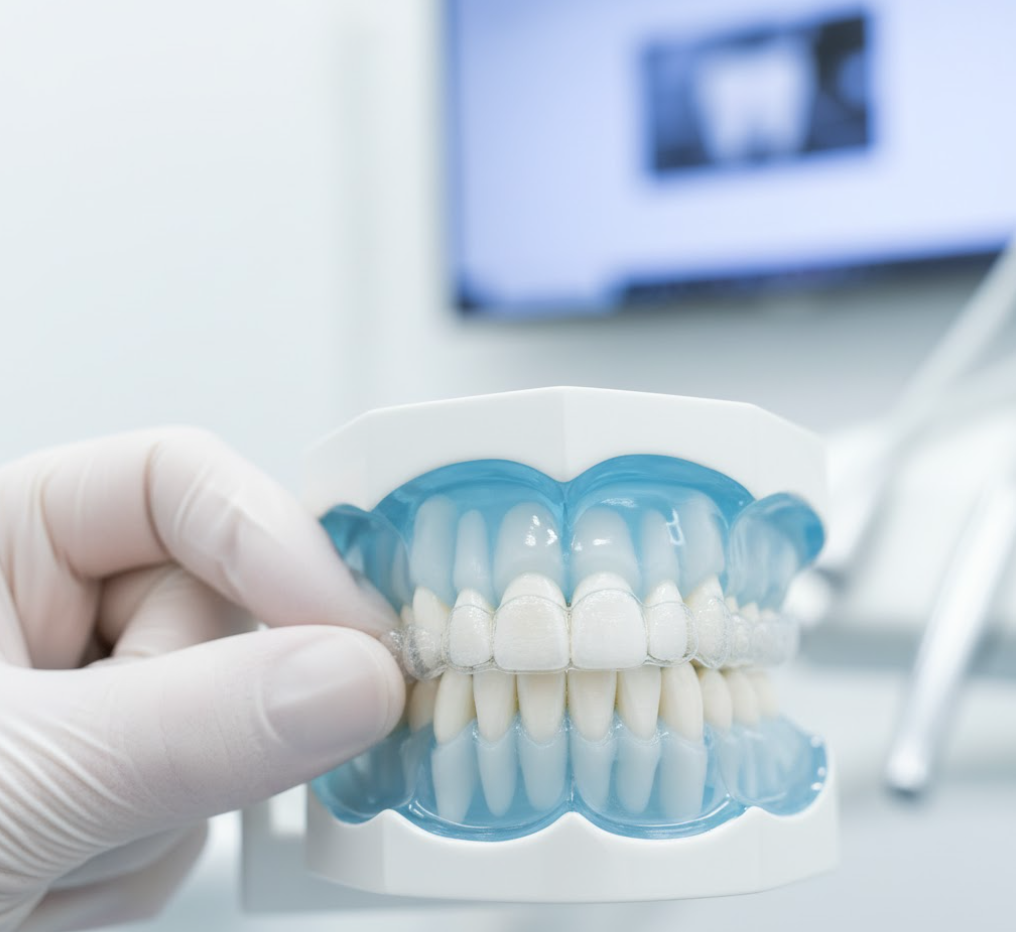
Zenyum provides different options to match your needs:
Because experts recommend using full-arch appliances to prevent unwanted bite changes, Zenyum’s comprehensive treatment plans designed to support your new smile are not only aesthetic but also balanced and stable. By choosing Zenyum, you’re not just straightening your teeth. You’re rebuilding the foundation of a healthy, confident smile that grinding may have worn down over time.
While Zenyum doesn’t provide medical assessments or diagnoses, it’s still important to understand how dentists identify and confirm bruxism, so you’ll know what to expect when you visit your clinic.
Your dentist or healthcare professional will usually begin by discussing your habits, symptoms, and sleep patterns to build a full picture of what’s happening.
You may be asked about:
Self-reporting provides helpful clues, though it often doesn’t show the full extent of grinding activity since it happens subconsciously. For daytime clenching, tracking apps or simple awareness exercises can help you notice when your jaw muscles are tightening.
During your visit, your dentist will perform both intraoral (inside the mouth) and extraoral (outside) checks:
Dentists may categorize their findings using general terms like possible, probable, or definite bruxism, depending on how many indicators are present.

In certain cases, especially when bruxism is linked to sleep disorders like sleep apnea, dentists or sleep specialists may recommend additional testing for accuracy.
Teeth grinding, or bruxism might sound simple, but it’s a complex condition with many possible causes. It can appear during the day or night and often signals deeper issues such as stress, anxiety, or sleep disorders like obstructive sleep apnea (OSA).
The good news? Bruxism is manageable. Most people see improvement through conservative, non-invasive strategies, what dentists call the “Multiple-P” approach:
If long-term grinding has contributed to minor alignment issues, your dentist may recommend orthodontic treatment as part of a broader care plan. Zenyum Clear Aligners can help straighten mild to moderate alignment concerns, depending on suitability determined by a licensed dentist.
Every treatment plan is designed and approved by qualified dental professionals, making sure you receive clinically guided care throughout your journey.
If you’re curious whether clear aligners might be appropriate for your smile, consult your dentist or start a Free Smile Check with Zenyum to explore your options.

Answer a few questions, and take four teeth pictures. It only takes a few minutes!

Receive a call from us to schedule your dentist appointment

You’ll have 3D scans and X-rays taken of your teeth by your dentist

Give the green light for your Zenyum aligners to go into production after approved by your dentist.


