
Overview
You can still get braces or clear aligners even if you have dental bridges or crowns. Orthodontic treatment is possible, but it requires a customised plan based on the condition of your existing dental work. Factors like the strength of your crowns, the type of braces used, and movement limitations must be carefully evaluated. Clear aligners (invisible braces) are often a preferred option because they are custom-made and can work around dental restorations more comfortably. However, treatment may take longer, and in some cases, dental work may need adjustments or replacement after treatment. If you have bridges or crowns, it’s important to consult an experienced dentist or orthodontist to determine the safest and most effective teeth straightening option.

Navigating the world of orthodontics can be overwhelming, especially if you have existing dental work like bridges or crowns. Many wonder if it’s possible to straighten their teeth or correct their bite when they already have these dental restorations. The good news is that having a dental bridge or crown doesn’t automatically disqualify you from getting braces. In fact, orthodontists frequently treat patients with various dental restorations.
In this article, we’ll address if braces can work with bridges and crowns, what considerations need to be taken into account, and the steps you can take to achieve a healthy, beautiful smile. Whether you’re contemplating braces for cosmetic reasons or to improve your oral health, understanding how they interact with existing dental work is essential. Let’s dive in and find out more!
This article is for informational purposes only and is not intended to be taken as medical advice. Please consult with your treating dentist for medical advice specific to your condition. Zenyum does not provide medical advice and our systems are doctor-directed treatments.
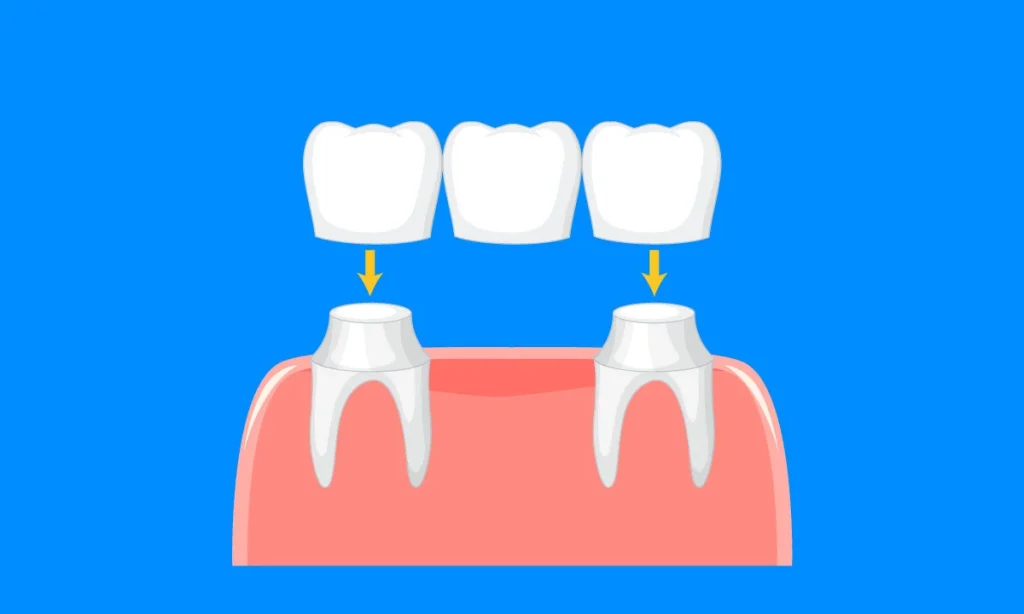
A dental bridge is made up of one or more false teeth with one crown on either end of the bridge. It’s mainly used to fill in the missing space caused by lost teeth, “bridging the gap” in your smile. As dental bridges are custom-made to match the colour and shape of each patient’s teeth, they offer a natural-looking solution for tooth loss.
Moreover, it can also restore chewing and speech function without the need for surgery. Thus, dental bridges provide an aesthetically pleasing and functional solution for restoring a complete smile.
However, patients with dental bridges have a slightly higher risk of getting gum disease due to the fact that oral hygiene can be more difficult depending on the design of your restoration. One’s natural teeth may also fracture if they aren’t strong enough to support the bridge.
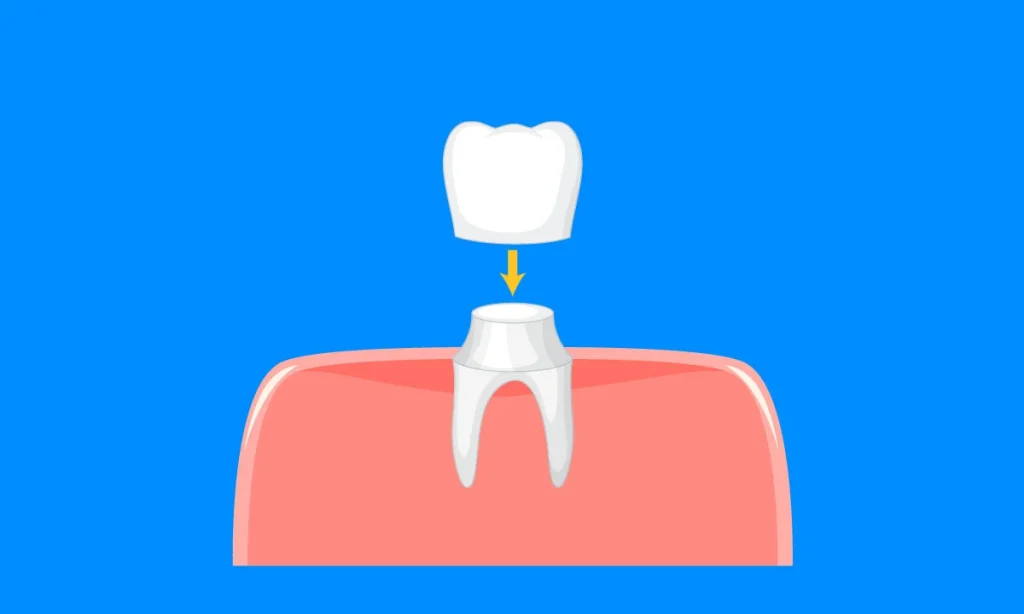
A dental crown is essentially a false tooth which is usually made out of porcelain or ceramic. Designed to be a hollow shell that fits snugly over your tooth, it mimics a tooth shaped cap that restores a decayed or broken tooth. Like dental bridges, this can also be custom-made to the specific requirements of the patient, adapting to the shape, colour and texture to match the rest of their teeth. This restoration is perfect for patients with a chipped, broken or fractured tooth.
It improves chewing function, enhances your appearance and protects teeth from erosion. However, it may require some removal of the natural tooth enamel, possibly causing tooth sensitivity. The margins of dental crowns can also begin to show at the gum line due to inevitable gum recession over time.
It is beneficial to consult a dentist specialising in bridges and crowns to receive comprehensive dental care. A dentist understands your individual dental needs making it easier for them to tailor your orthodontic treatments accordingly.
By consulting trusted experts, you’ll obtain a broader understanding of your oral health needs; assessing the alignment of your teeth along with the condition of your gums, jaw, and overall oral hygiene. By treating the whole mouth, you can achieve optimal results and minimise complication risks.
Choose an orthodontist experienced in handling cases with dental bridges and crowns. Their expertise will ensure that your treatment plan considers all aspects of your dental health.
Discussing these factors with your dentist will help you make an informed decision and ensure a smooth treatment process.
Other than traditional braces, there are possible orthodontic and aesthetic dentistry options that can help your teeth appear straighter if you have dental bridges or crowns.

Invisible braces are custom-made, removable aligners that are discreet and comfortable. They can work around existing dental work without attaching to teeth, making them a great option for those with bridges and crowns. Zenyum Invisible Braces offer a discreet solution for straightening your teeth. Designed with comfort and convenience in mind, these clear aligners are customised to fit your unique smile, allowing you to achieve your dental goals without the hassle of traditional metal braces.
Experience the confidence of a beautifully aligned smile with Zenyum Invisible Braces, backed by professional support from licensed dentists every step of the way.
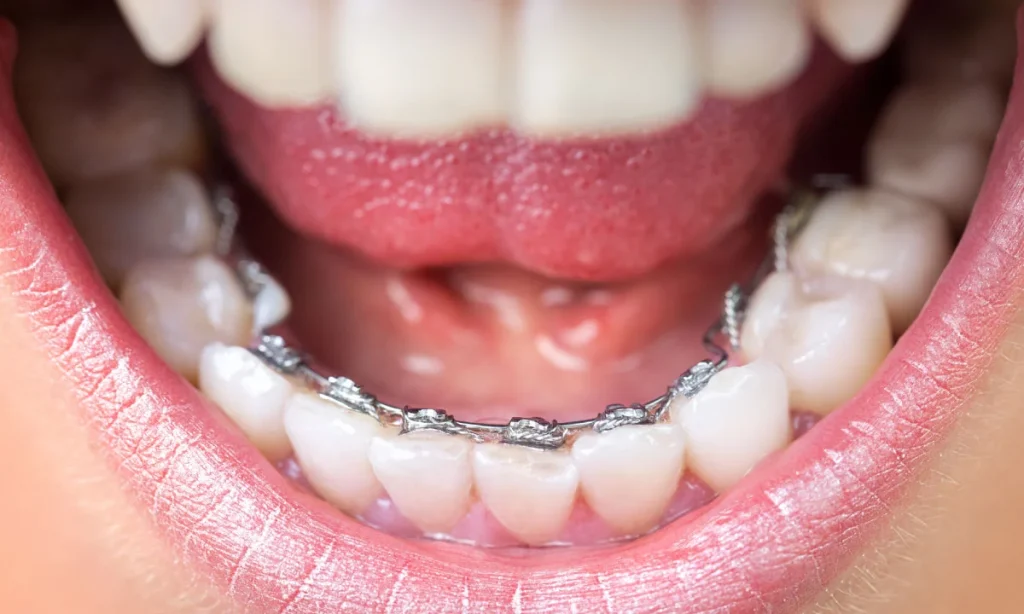
Lingual braces are attached to the back of the teeth, making them invisible from the front. This option avoids interference with crowns and bridges on the visible side of the teeth. They allow for precise adjustments around existing dental work.
For minor misalignments, veneers can be a viable alternative. They are thin porcelain shells placed over the front of the teeth to improve appearance. Read more on the differences between veneers and invisible braces.

Answer a few questions, and take four teeth pictures. It only takes a few minutes!

Receive a call from us to schedule your dentist appointment

You’ll have 3D scans and X-rays taken of your teeth by your dentist

Give the green light for your Zenyum aligners to go into production after approved by your dentist.


