
Choosing the right braces can feel overwhelming with so many options available. If you’re dealing with crooked teeth, gaps, or other alignment issues, you might be wondering where to start. Don’t worry, you’re not alone!
This guide is here to help you understand your options, identify if you need braces, and make the whole process a bit easier. From traditional metal braces to clear aligners, we’ll break down what each type offers so you can find the best fit for your smile.
Finding the right braces for you can be a bit of a puzzle, but don’t worry! It’s all about your needs, preferences, and budget. Let’s dive into the most popular types of braces to help you find the perfect fit for your smile:

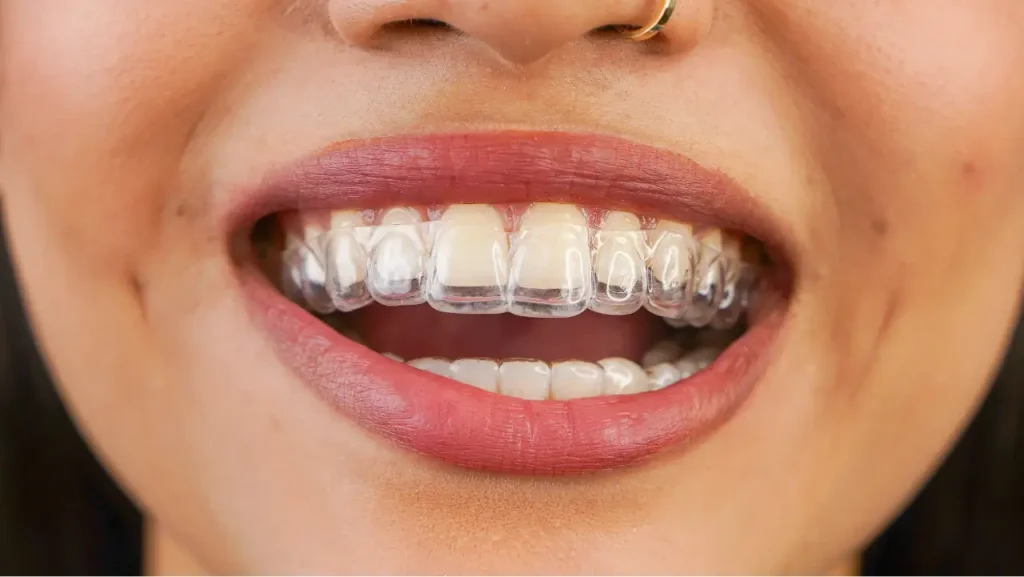
Clear aligners, like those offered by Zenyum, are made from transparent plastic, making them a popular choice for anyone seeking a discreet option. They’re designed for comfort and are less likely to irritate your mouth compared to traditional metal braces.
While clear aligners are often associated with a higher price tag, Zenyum offers an affordable solution without compromising on quality. If you’re looking for a blend of invisibility and cost-effectiveness, Zenyum’s Invisible Braces is definitely worth exploring.
Traditional metal braces have been around for a long time and are great at tackling a variety of alignment issues.hey are known for their effectiveness and are often the quickest solution for more complicated problems due to their sturdy design. Although they’re the most noticeable and might feel a bit uncomfortable at first, they’re also one of the budget-friendly options next to Zenyum’s Invisible Braces.
Ceramic braces function similarly to metal braces but use tooth-colored or clear brackets that blend in with your teeth, making them less conspicuous. They offer a balance between effectiveness and discretion, though they are generally more expensive and can be prone to staining if not properly maintained.
Ceramic braces work at a similar pace to metal braces but might be slightly slower due to their design. If you want something less visible but still reliable, ceramic braces are a good choice.
Lingual braces are fixed to the back of your teeth, making them completely hidden from view. This option offers the highest level of invisibility but can be less comfortable and more difficult to clean. They are also usually the most costly due to their custom fit and the complexity involved in their placement.
Lingual braces are effective and work at a pace comparable to traditional braces but may be slower and require more maintenance. If you’re looking for complete discretion and are willing to invest in extra comfort and care, lingual braces might be the right option for you.
Not sure how the different types of braces stack up next to each other? Here’s a quick overview of how they compare:

How to know if you need braces? Here are some signs that could suggest it’s time to consider them. If any of these sound familiar, it might be worth looking into braces to get your smile on track!
Read more: Types of Malocclusions That Zenyum Can Help Fix
If your teeth are crooked, even just a bit, it can make brushing and flossing tricky. Braces can help straighten them out and make your dental care routine easier.
When there’s not enough space in your mouth for all your teeth, they might overlap or become crowded. Braces can gently shift them into proper alignment.
An overbite is when your upper teeth jut out significantly over your lower teeth. This can affect your bite and cause other issues. Braces can help correct this to improve both function and appearance.
If your lower teeth stick out further than your upper teeth, it’s called an underbite. This can make eating and speaking challenging. Braces can help bring your bite back into balance.
Gaps between your teeth might be due to missing teeth or uneven spacing. Braces can close these gaps and give you a more uniform smile.
There’s no single “right” time to get braces. However, it’s ideal to have good overall dental health before starting treatment. Age is generally not a limiting factor, but consulting a treating dentist is crucial to assess your individual needs and determine “when should I get braces.”
Here are some reasons why someone might choose to get braces:
Getting braces isn’t just about getting that perfect smile! Here’s why braces might be worth considering:
While there’s no one-size-fits-all answer for when to get braces, it’s best to start when your dental health is in good shape. Age isn’t usually a problem, but a chat with your dentist will help you figure out the best timing and options for you.

Answer a few questions, and take four teeth pictures. It only takes a few minutes!

Receive a call from us to schedule your dentist appointment

You’ll have 3D scans and X-rays taken of your teeth by your dentist

Give the green light for your Zenyum aligners to go into production after approved by your dentist.


